
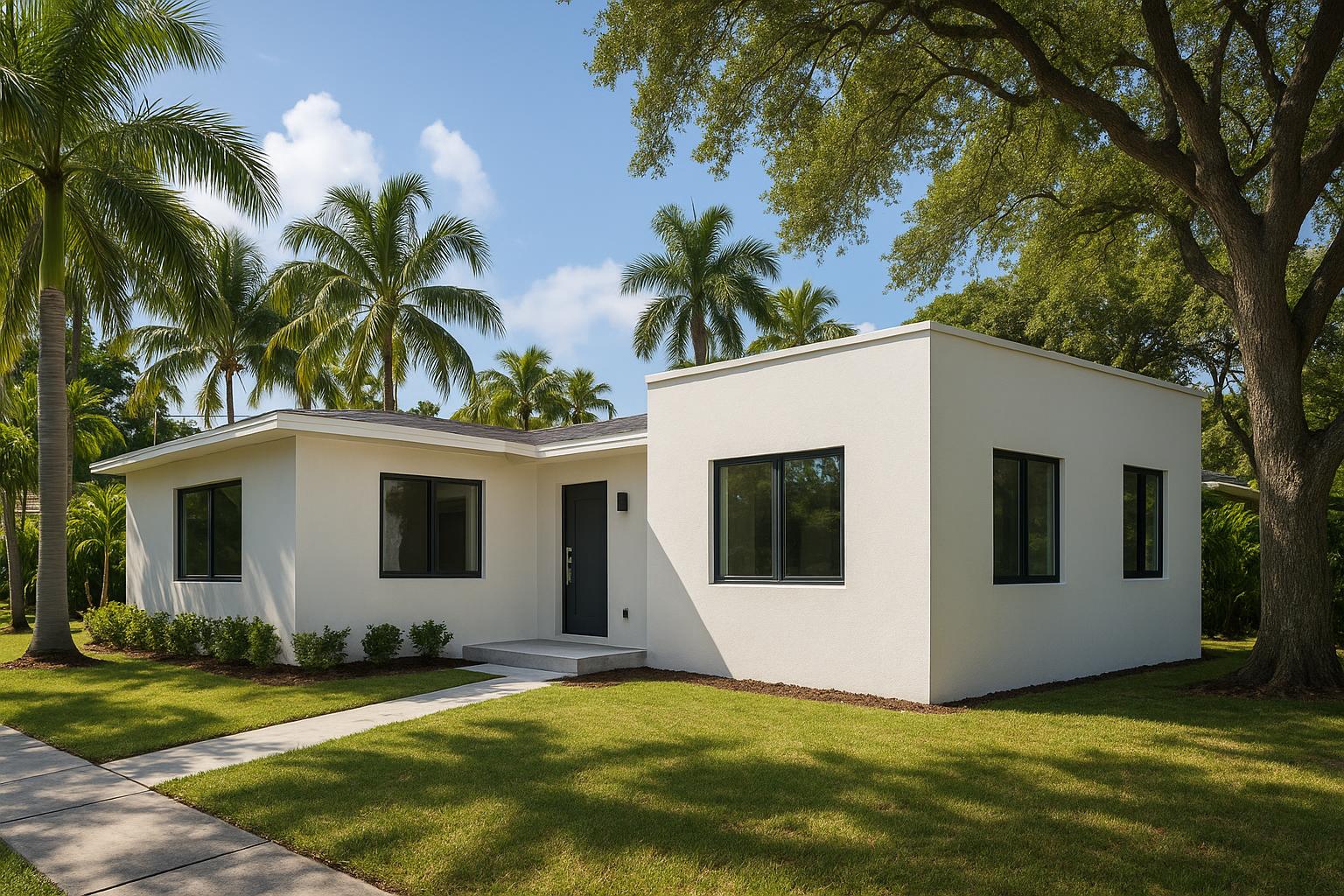
Why Pinecrest Homeowners Are Adding On Instead of Moving
If you love your neighborhood but your home feels like it's shrinking, you're not alone. Across Pinecrest, homeowners are choosing to expand their existing homes rather than deal with today's competitive real estate market. Whether it's a growing family, the need for a dedicated home office, or the desire for an in-law suite, a well-planned home addition can solve the space problem while significantly boosting your property's value.
But adding square footage to a home isn't as simple as knocking out a wall and pouring a new slab. Between Miami-Dade County building codes, hurricane-rated construction requirements, and the unique characteristics of Pinecrest lots, there's a lot to navigate. This guide walks you through the key steps so you can approach your project with confidence.
Step 1: Define Exactly What You Need
Before you call a contractor or sketch anything on a napkin, spend time thinking about what's actually driving the project. Ask yourself:
- What problem am I solving? More bedrooms? A larger kitchen? A separate living space for aging parents?
- How much space do I realistically need? Overbuilding can hurt your return on investment, especially if your addition pushes your home's value well above neighborhood comparables.
- Where on my property could the addition go? Think about setback requirements, existing trees, pool placement, and how the addition will affect natural light in the rest of the house.
Getting clear on these answers early saves you from expensive changes later in the design or construction process.
Step 2: Understand Pinecrest and Miami-Dade Building Requirements
The Village of Pinecrest has specific zoning regulations that directly affect what you can build. These include lot coverage limits, setback distances from property lines, and maximum building height restrictions. Because Pinecrest is an incorporated municipality within Miami-Dade County, your project will also need to comply with the Florida Building Code, which includes stringent wind-load and impact-resistance standards.
Here are a few things to keep in mind:
- Lot coverage: Pinecrest typically limits how much of your lot can be covered by structures. Your addition, combined with your existing home, pool deck, and other structures, must stay within these limits.
- Setbacks: You'll need to maintain minimum distances between your addition and your property lines. These vary depending on your zoning classification.
- Tree preservation: Pinecrest is known for its lush tree canopy, and removing certain trees requires permits and may require replacement plantings. Your addition's footprint needs to account for protected trees on your property.
- Hurricane compliance: All new construction in Miami-Dade County must meet high-velocity hurricane zone (HVHZ) standards, which affects everything from window selection to roof attachment methods.
A qualified remodeling contractor who works regularly in Pinecrest will already be familiar with these requirements and can help you avoid costly surprises during the permitting process.
Step 3: Set a Realistic Budget
Home additions in South Florida typically cost more per square foot than interior renovations because they involve foundation work, roofing, exterior finishes, and potentially extending your home's electrical, plumbing, and HVAC systems. A realistic budget should account for:
- Architectural and engineering plans
- Permit fees
- Site preparation and foundation work
- Structural framing and roofing
- Windows and exterior doors rated for Miami-Dade wind codes
- Interior finishes including flooring, paint, lighting, and trim
- HVAC modifications or a new zone for the added space
- Landscaping restoration after construction
We always recommend building a contingency of 10 to 15 percent into your budget. Even with thorough planning, older homes in Pinecrest can reveal unexpected conditions once construction begins, such as outdated wiring, plumbing that needs to be brought up to code, or soil conditions that require additional foundation work.
Step 4: Choose the Right Contractor
This is where your project either thrives or falls apart. The right remodeling partner will do more than swing a hammer. They'll guide you through design decisions, manage the permitting process, coordinate subcontractors, and keep you informed every step of the way.
When evaluating contractors for a home addition in the Pinecrest area, look for:
- Proper licensing: Florida requires a Certified General Contractor or Certified Building Contractor license for this type of work. Verify their license through the Florida DBPR website.
- Local experience: A contractor who has completed projects in Pinecrest, Palmetto Bay, Coral Gables, and surrounding communities will understand the local permitting landscape and neighborhood expectations.
- Clear communication: You should feel comfortable asking questions and confident that you'll get honest answers. Vague timelines and unclear pricing are red flags.
- References and portfolio: Ask to see completed additions, not just kitchen or bathroom projects. Adding onto a home is a different skill set.
Step 5: Plan for Life During Construction
A home addition project typically takes several months from permit approval to final inspection. During that time, you'll be living with construction noise, workers on your property, and possibly limited access to parts of your yard or home.
Here are some practical tips to make the process more manageable:
- Establish a clear construction schedule with your contractor, including expected start and end dates and key milestones.
- Set boundaries about work hours, parking for crew vehicles, and access points to your property.
- Prepare your family for some disruption, especially if the addition connects to high-traffic areas like the kitchen or main living space.
- Communicate regularly with your project manager. Weekly check-ins prevent small issues from becoming big problems.
Popular Home Addition Types in Pinecrest
Based on what we see homeowners requesting most often, here are the additions that tend to deliver the best combination of livability and value:
- Primary suite expansions: Adding a larger bedroom with a spa-style bathroom and walk-in closet is one of the most popular requests we receive.
- Family room or great room additions: Many older Pinecrest homes have smaller, compartmentalized rooms. A spacious family room that opens to the kitchen and outdoor area transforms how a home feels.
- In-law suites or guest quarters: With multigenerational living on the rise, a self-contained suite with a kitchenette and private entrance is increasingly common.
- Home office or studio spaces: Remote work isn't going away, and a purpose-built office adds both function and resale appeal.
The Bottom Line
A home addition is one of the most impactful investments you can make in your Pinecrest property, but it requires careful planning, the right team, and realistic expectations. When done well, it gives you the space you need without the hassle and expense of uprooting your family.
At Century Home Remodeling, we've helped homeowners throughout Pinecrest and South Miami-Dade plan and execute additions that feel like they were always part of the original home. If you're considering adding on, we'd love to talk through your options and help you figure out the best path forward.